Before West Harbor, There Was Ports O’ Call
For generations of Angelenos, a trip to San Pedro meant a trip to Ports O’ Call.
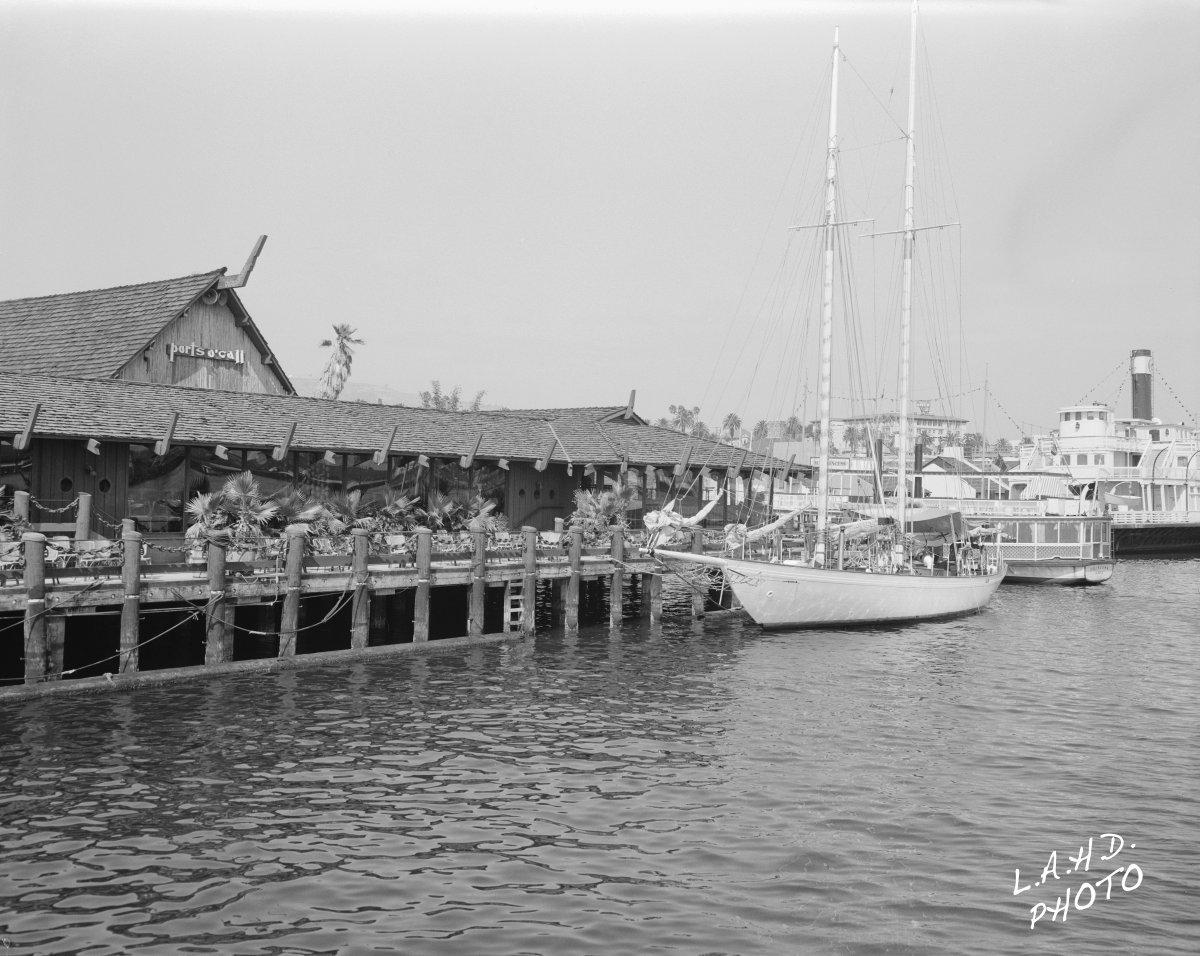
Opened in 1963 along the Main Channel of the Port of Los Angeles, Ports O’ Call transformed a stretch of working waterfront into a destination for dining, shopping, sightseeing and getting out on the harbor. Families came for seafood and harbor cruises, wandered the shops and watched ships pass through one of the world’s busiest ports.
Today, West Harbor is taking shape on that same stretch of shoreline, adding a new chapter to a story that began long before us.
This is the history of the waterfront we call home.
SAN PEDRO: A WORKING WATERFRONT
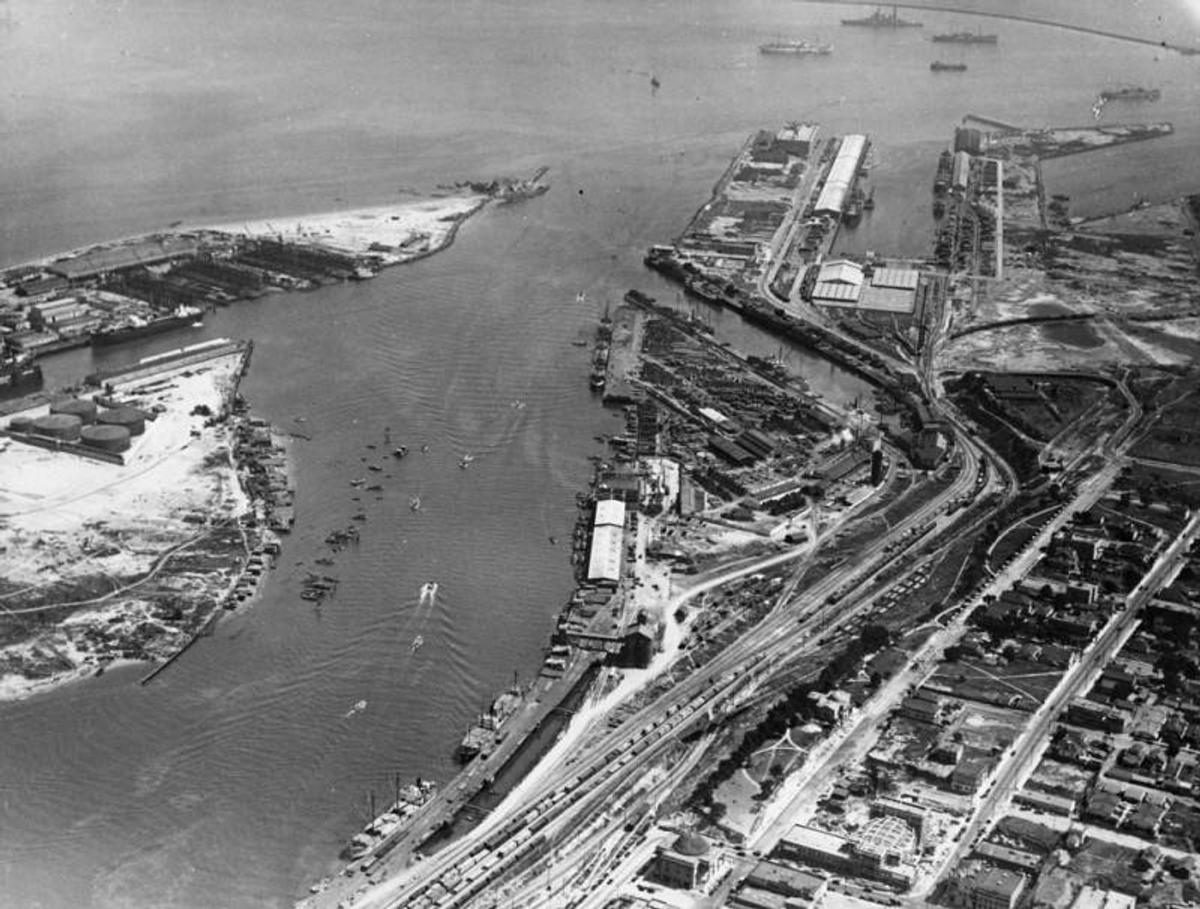
Long before Ports O’ Call, San Pedro grew up around its harbor.
Fishing boats, canneries, shipyards, cargo and generations of waterfront workers shaped the community alongside what would become the Port of Los Angeles. By the middle of the 20th century, San Pedro was firmly established as one of the country's great working waterfronts.
It wasn't a resort town built around a harbor. It was a harbor town that became a destination.
And in the early 1960s, a new idea would bring an entirely different kind of activity to the water's edge.
A NEW IDEA FOR THE WATERFRONT
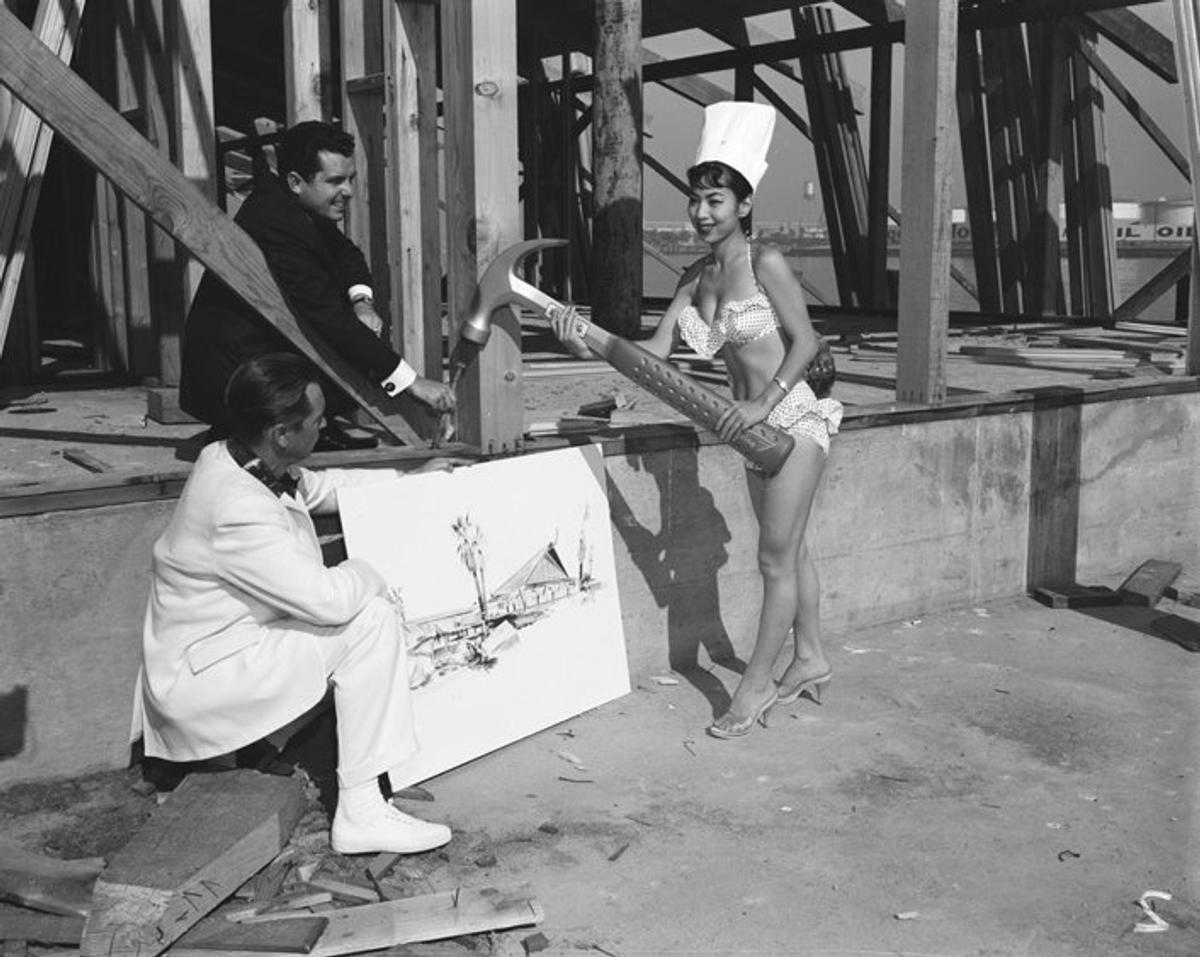
Restaurateur David Tallichet had built a career creating restaurants that were about more than the food. In San Pedro, that idea became something much larger.
Ports O’ Call was conceived as a waterfront village where visitors could dine beside the water, browse specialty shops and experience the constant movement of the working Port just beyond it.
The setting was designed to feel as though it had been there for generations, with cobblestone paths, weathered buildings and maritime details inspired by old seaside villages. According to historical accounts collected by Passport to Dreams, some materials were even chosen specifically because they would weather quickly.
Ports O’ Call was new. It just wasn't supposed to look new.
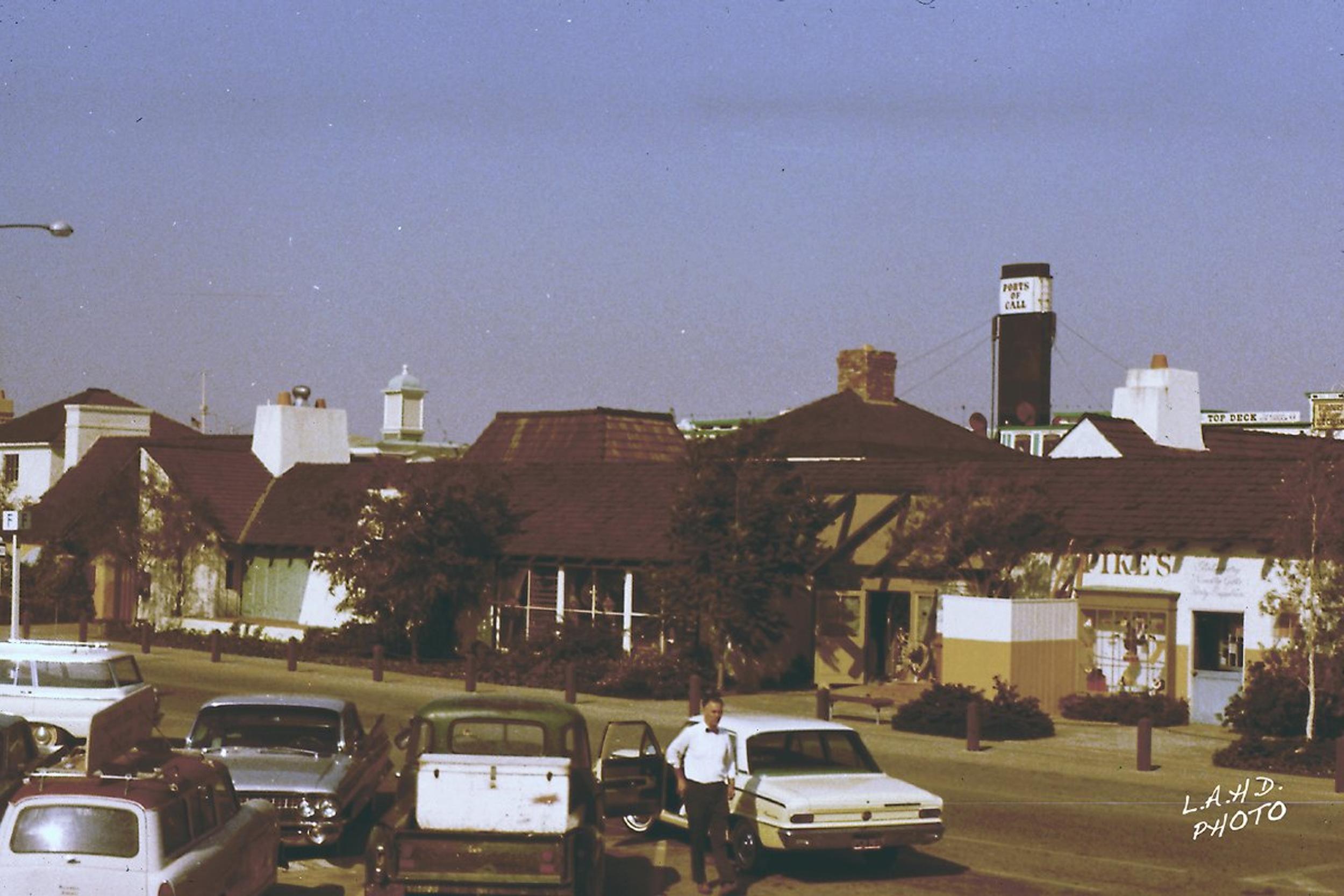
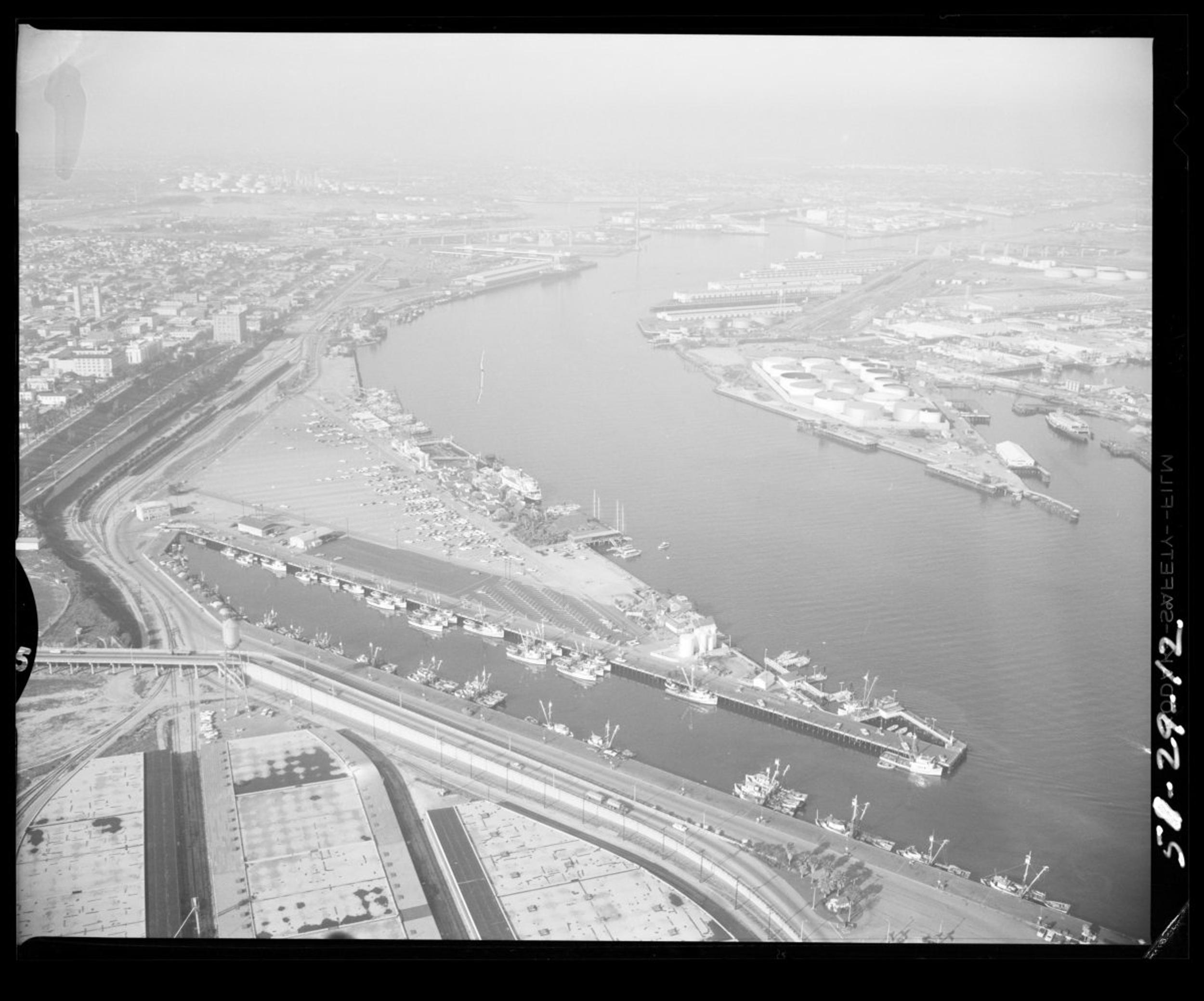
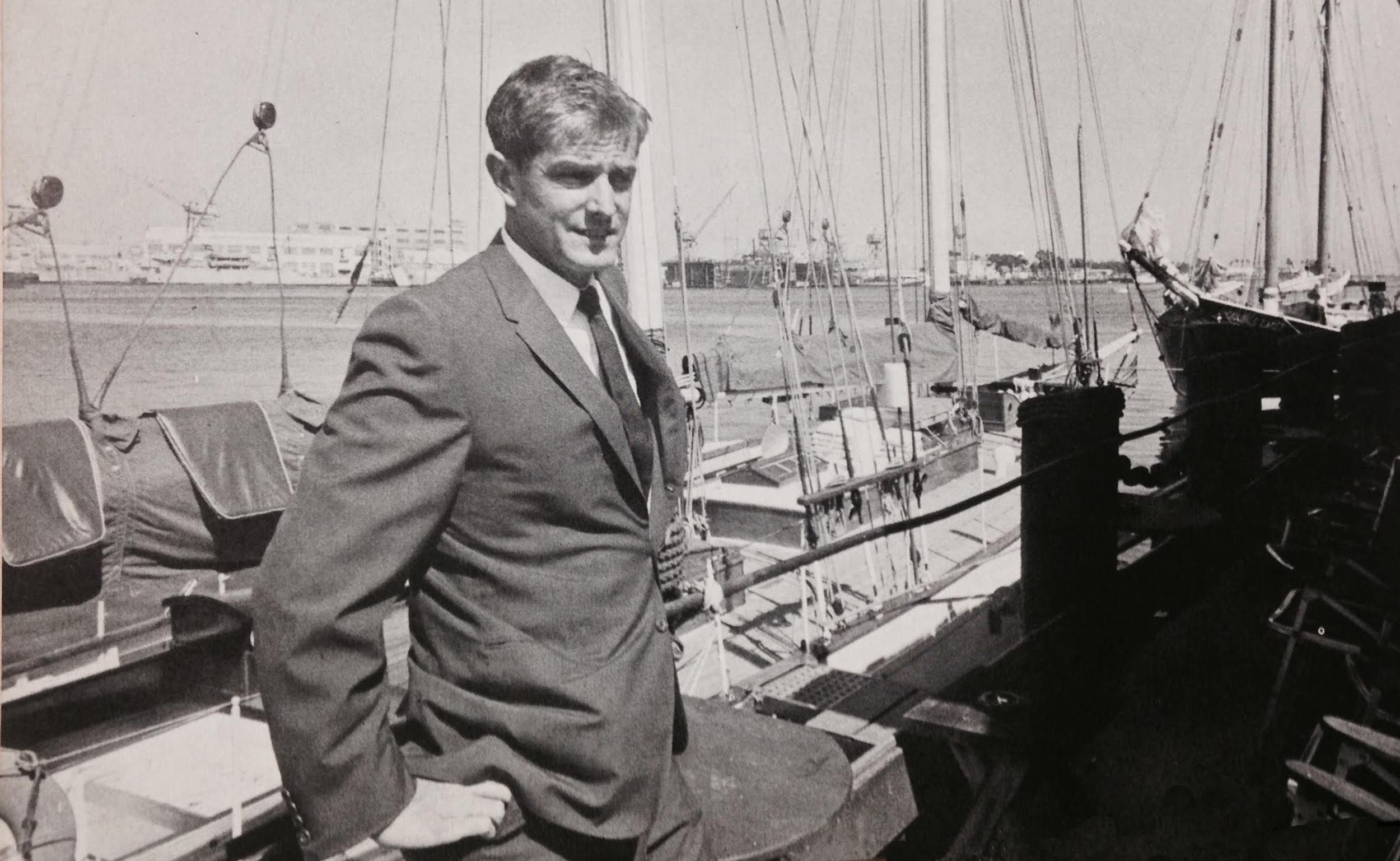
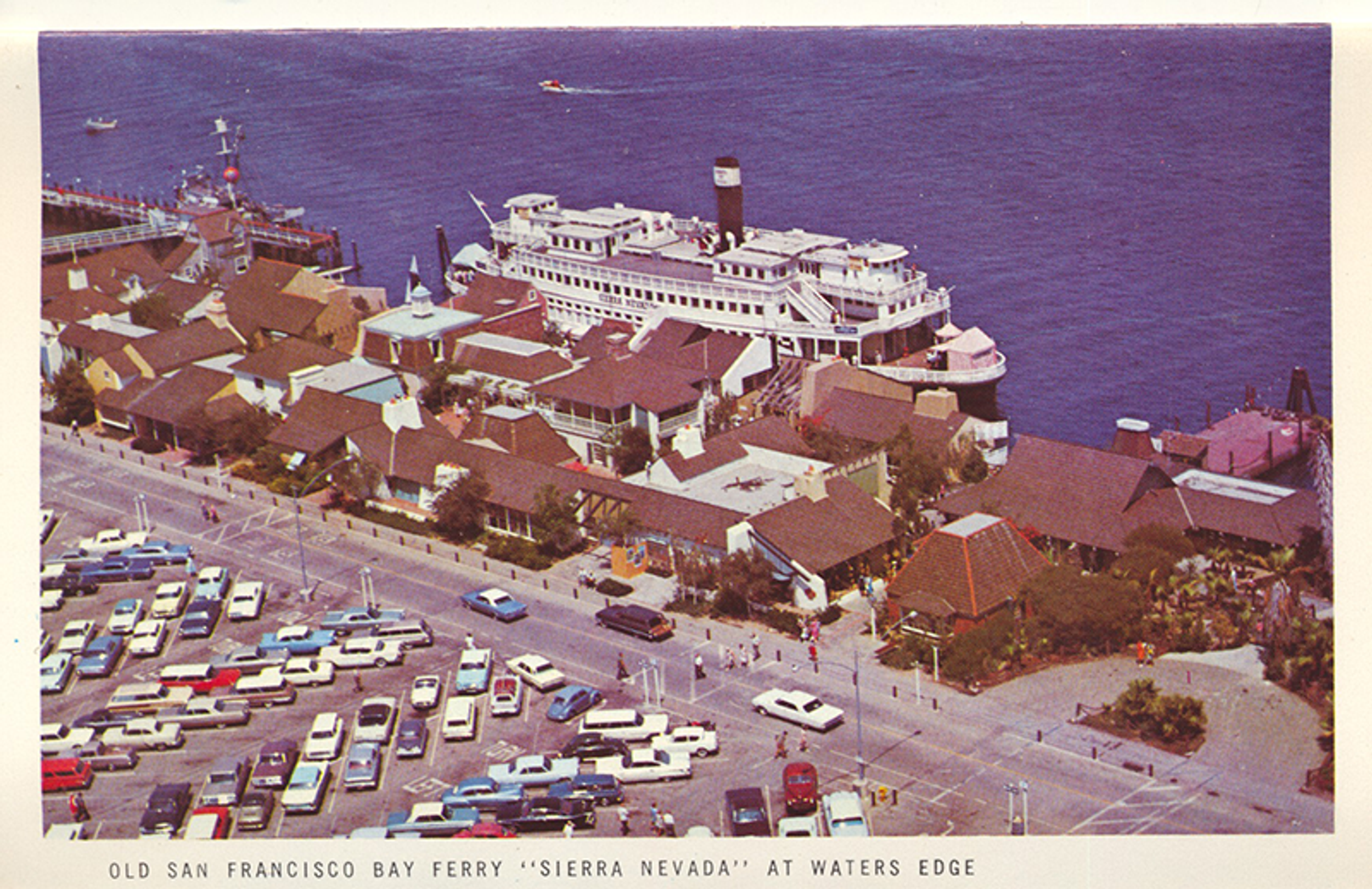
1961
THE BEGINNING
1963
PORTS O’ CALL VILLAGE OPENS
1974
THE SKYTOWER OPENS
1999
THE PORT TAKES BACK THE LEASE
2009
A WATERFRONT PLAN TAKES SHAPE
2012
A DEVELOPMENT TEAM IS SELECTED
2018
PORTS O’ CALL COMES DOWN
2020
WEST HARBOR
FROM PORTS O’ CALL TO WEST HARBOR
Today, West Harbor is taking shape on the same shoreline. The buildings are different, and so is the relationship to the water. Where access to the waterfront at Ports O’ Call was largely through its restaurants and businesses, West Harbor opens the shoreline with a continuous public promenade, parks and places to gather along the harbor.
That public access was a priority throughout years of planning and community input, creating a waterfront that belongs as much to San Pedro as it does to the destinations along it.
West Harbor isn't a recreation of Ports O’ Call. It's the next chapter in a waterfront that has always evolved.
A new waterfront, built on a long San Pedro tradition.
